Seeds of the wadi: Native Seed Collection
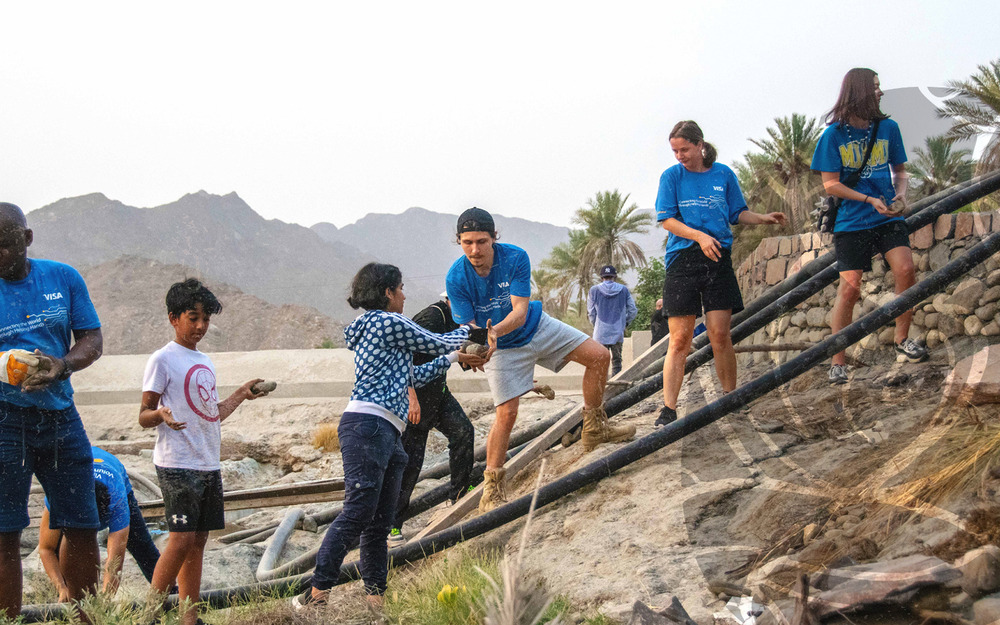
This field activity introduces participants to the process of collecting native tree seeds from wild populations in the wadis of the Hajar Mountains.
Participants will work alongside the field team to identify suitable native trees, assess seed maturity, and collect and document seeds responsibly.
The activity focuses on four native tree species: Sidr, Samr, Ghaf and Shu’a (Arabian Moringa).
PURPOSE AND IMPORTANCE
Reforestation succeeds or fails long before the first sapling is planted; it is decided by where the seed came from.
The Sidr, Samr, Ghaf and Shu’a growing wild in the wadis of the Hajar Mountains are the survivors of thousands of years of drought, heat, flash floods and grazing in this specific landscape, and the tolerances that let them persist here are carried in their seed.
Sourcing planting stock from nurseries, landscaping suppliers or distant provenances introduces trees that may look correct but are not adapted to these conditions, may be genetically narrow, and, in the case of Ghaf and Moringa, may not even be the right species.
Collecting our own seed from a wide spread of documented wild mother trees is therefore the only way to guarantee that what goes into a restoration plot at Wadi Wurayah or Ain Al Ghamour is genuinely of this place: locally adapted, genetically diverse enough to withstand a changing climate, and traceable from the wadi to the planting pit.
It also builds something the programme does not currently have: a documented reserve of native seed of known origin, held against poor fruiting years and available for future restoration work.
Because the collection is done by our own staff and by volunteers, it does more than supply a nursery: it puts people in direct contact with the wild populations they are helping to restore, and it strengthens the conservation case for landscapes now carrying international recognition.
Which area of impact does it contribute to ?
- Nature and Wildlife: Support the conservation and restoration of native ecosystems in the UAE.
- Native Species Conservation: Help conserve locally adapted native tree species and their genetic diversity.
- Habitat Restoration: Provide native seed for future restoration and reforestation initiatives at sites such as Wadi Wurayah and Ain Al Ghamour.
- Volunteer Engagement: Give participants the opportunity to take part directly in practical conservation work.
Location
Fujairah
Ain Al Ghamour
Date & Time
Sunday, 25 October 2026
07:00 AM - 10:00 AM
Ratings & Reviews
0.0
0 Reviews